


Toyota Summer Service Checklist
How Do I Prepare My Toyota For Summer?
Summer driving in southeastern Michigan places unique demands on your vehicle, as rising temperatures and longer highway hauls put extra stress on critical mechanical systems. Heat is a primary catalyst for component wear, affecting everything from the chemical balance in your battery to the structural integrity of your tires. To maintain the long-term reliability of your Toyota vehicle, following a seasonal maintenance schedule is the most effective way to prevent mid-trip breakdowns. Fortunately, the team at Matick Toyota, our Toyota dealership in Macomb, MI, is more than happy to give you the information you need.
What Routine Maintenance Should Be Done in the Summer?
The team at our Toyota service center focuses on proactive care, ensuring that every vehicle leaving the service bay is prepared for the high-pavement temperatures found on M-59. If you're preparing for a weekend trip to the parks in Sterling Heights, verifying your vehicle's health now can save hours of frustration later. A standard summer service visit typically addresses the high-wear items that heat compromises first, such as engine oil, cooling systems, and tire pressure.
Tire Pressure
For every ten-degree rise in ambient temperature, tire pressure can increase by roughly one pound per square inch (PSI). While under-inflation is a well-known cause of fuel economy loss and sluggish handling, over-inflation caused by summer heat can lead to a smaller contact patch with the road, resulting in uneven wear and a harsher ride. When tires are over-inflated, they also become more susceptible to damage from potholes or road debris, as the casing is under higher tension. Toyota recommends checking tire pressure regularly and adjusting it to the specific levels listed on the tire and loading information label located on the driver-side door jamb. This is especially vital for larger models that take on heavier loads, like the 2026 Toyota Highlander.
Tread Depth
While many drivers associate deep tread with winter traction, it is equally important for dissipating heat and maintaining grip on hot, slick pavement during sudden summer downpours. Low tread increases stopping distances and the risk of hydroplaning, so make sure to get a tire rotation after every 5,000 miles or 6 months (whichever comes first). This rotation ensures that the front tires, which handle the majority of steering and braking forces, do not wear out prematurely compared to the rear set.
If you notice uneven wear patterns, such as the tread wearing faster on the inside or outside edges, it often signals an alignment or suspension issue. High-speed travel on local highways can exacerbate these problems, leading to vibrations and further tire degradation. During a professional tire inspection, technicians look for visible damage like sidewall bulging, cracks, or embedded nails that might not yet have caused a flat but could fail under the stress of a long summer road trip.
Get Toyota Tire and Wheel Coverage
Fluid Health
When the thermometer hits 90 degrees, the engine relies on a variety of fluids to lubricate moving parts and move heat away from the engine block. The cooling system is the most critical component in this process, with coolant, or antifreeze, performing more than just preventing freezing in the winter. It also raises the boiling point of the water in your radiator, allowing the engine to operate at a stable temperature even when idling in heavy traffic. Coolant can become acidic or contaminated over time, losing its ability to protect the internal metal surfaces of the radiator and water pump from corrosion. A professional check ensures the fluid is at the correct concentration and that the system is pressurized properly.
Other fluids that require attention include:
- Brake Fluid: This hydraulic fluid can absorb moisture over time, leading to a "spongy" pedal feel and reduced braking efficiency during long descents.
- Transmission Fluid: Heat is the number one enemy of transmissions, with fresh fluid helping to dissipate heat and ensure smooth gear transitions.
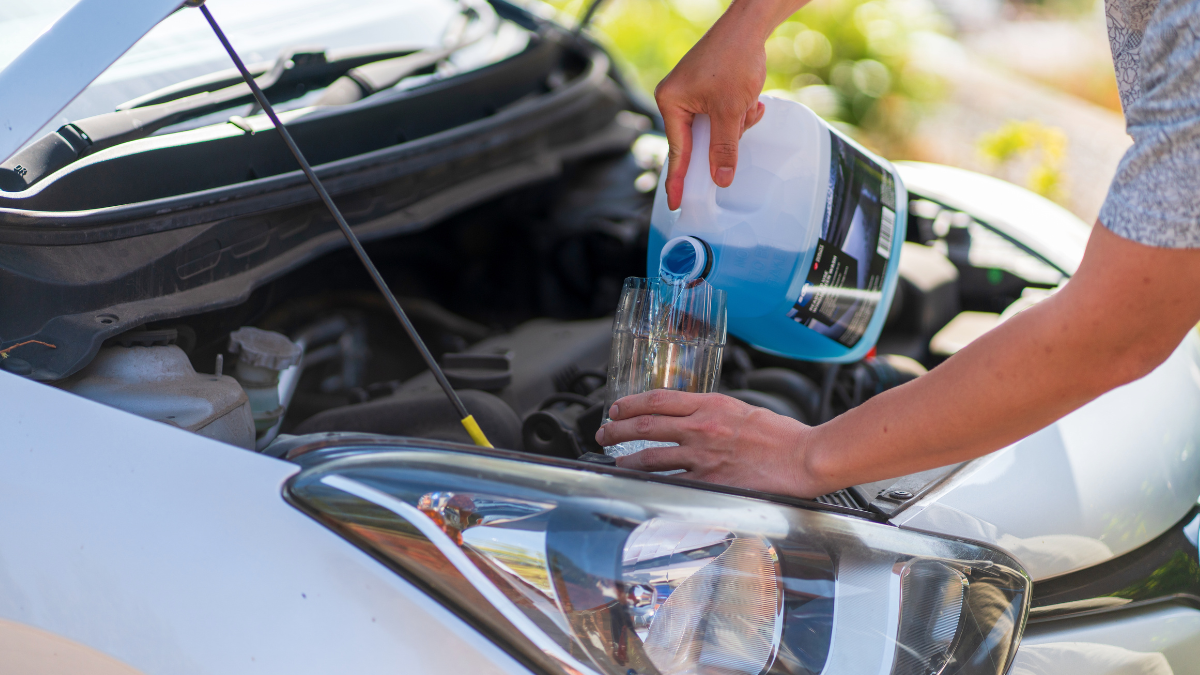
- Windshield Washer Fluid: Summer driving often involves more dust, pollen, and insects, making a full reservoir of high-quality cleaning fluid essential for visibility.
- Engine Oil: Older oil loses its ability to effectively lubricate at higher temperatures, and should be replaced every 5,000 miles driven or every six months, helping to increase your engine's overall longevity.
Air Conditioning
Imagine starting a cross-county drive only to find your cabin temperature rising as fast as the sun. Air conditioning is often viewed as a luxury, but in the peak of summer, it is a safety feature that prevents driver fatigue and keeps passengers comfortable. The HVAC system in a modern Toyota is a complex network with a compressor, evaporator, and refrigerant lines. When the system begins to fail, it usually provides several warning signs before it stops blowing cold air entirely.
Battery Health
High temperatures accelerate the internal chemical reactions in vehicle batteries and cause the liquid electrolyte inside to evaporate, leading to a permanent loss of capacity. If your battery is more than three years old, it is significantly more likely to fail during a heatwave. Watch out for common warning signs of a weakening battery, including:
- Slow engine crank when starting
- Dimmed headlights at idle
- Visible corrosion (a white, powdery substance) on the battery terminals
Toyota Battery Service and Replacement
Brake Performance
High ambient temperatures mean that brake rotors and pads cannot cool down as quickly between stops, leading to "brake fade". This is where the pedal feels soft and the vehicle takes longer to stop, which can be a particular concern for families who may be navigating stop-and-go traffic. Look for the following signs your brakes may need repair:
- Hear squeaking
- Feel a vibration in the steering wheel when braking
- Notice the vehicle pulling to one side
Prepare Your Toyota For Summer at Matick Toyota
Toyota Brake Service and Repair
Maintaining your Toyota's performance during the warmest months of the year is a matter of consistent, proactive care, and by following our structured checklist you can ensure your vehicle remains a reliable partner for every commute and vacation. Get the help you need by scheduling an appointment at our Toyota service center in Macomb, MI, also serving the Troy, Warren, Detroit, and Sterling Heights areas. If you have any questions about our services, or any specials we may offer, don't hesitate to contact us online at Matick Toyota.
Detroit's Most Awarded Toyota Dealership